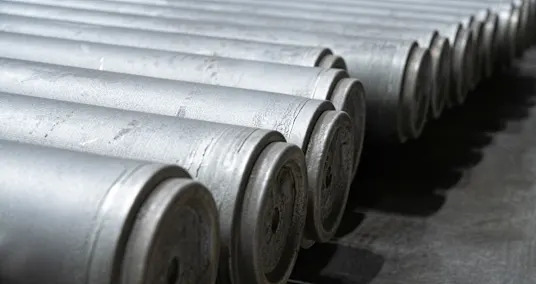
Fears of global aluminium shortages that could affect the production of clean energy technologies intensified after Iran struck two major Gulf aluminium producers, sending prices to a four-year high. The Middle East accounts for 9% of the world’s production of aluminum, which is essential to a wide range of industries from transportation, construction, and packaging, as well as the manufacture of solar panels, electrical transmission systems, wind turbines, and EVs.
Export shipments to the US and Europe had already come to a halt because of the effective closure of the Strait of Hormuz, and Morgan Stanley economists singled out aluminium as carrying a high level of risk across the value chain. Andy Farida, an aluminium analyst at Fastmarkets, told Semafor that high prices would be passed on to end-users, ultimately causing demand destruction. “A prolonged shutdown (with little to no alternative supplies other than Russia and China) could cripple the supply of aluminium to support the production of clean and green technology,” he said, adding that relief could come “if governments allow some sanctioned Russian and Chinese aluminium to be imported.”


 Figure out How to Explore Your Direction to the Best Dental Embed Trained professional: A Far reaching Manual
- Florence's Uffizi Gallery moves treasures to safety after cyberattack
- If someone's always late, is it time blindness, or are they just being rude?
- From Representative to Business visionary: Private issue Victories
- Iran denies launching ballistic missiles towards Kurdistan region of Iraq
- Gunmen open fire near Israeli consulate in Istanbul in possible ISIS-linked attack
- 'Sex and the City' star Kim Cattrall marries longtime partner Russell Thomas in intimate London wedding
- Rights groups condemn Israel Police decision to ban Sudan Genocide protests nationwide
- Smooth countdown continues for Artemis II moon mission